
Waterford Union High School Exchange – Visit to Berlin

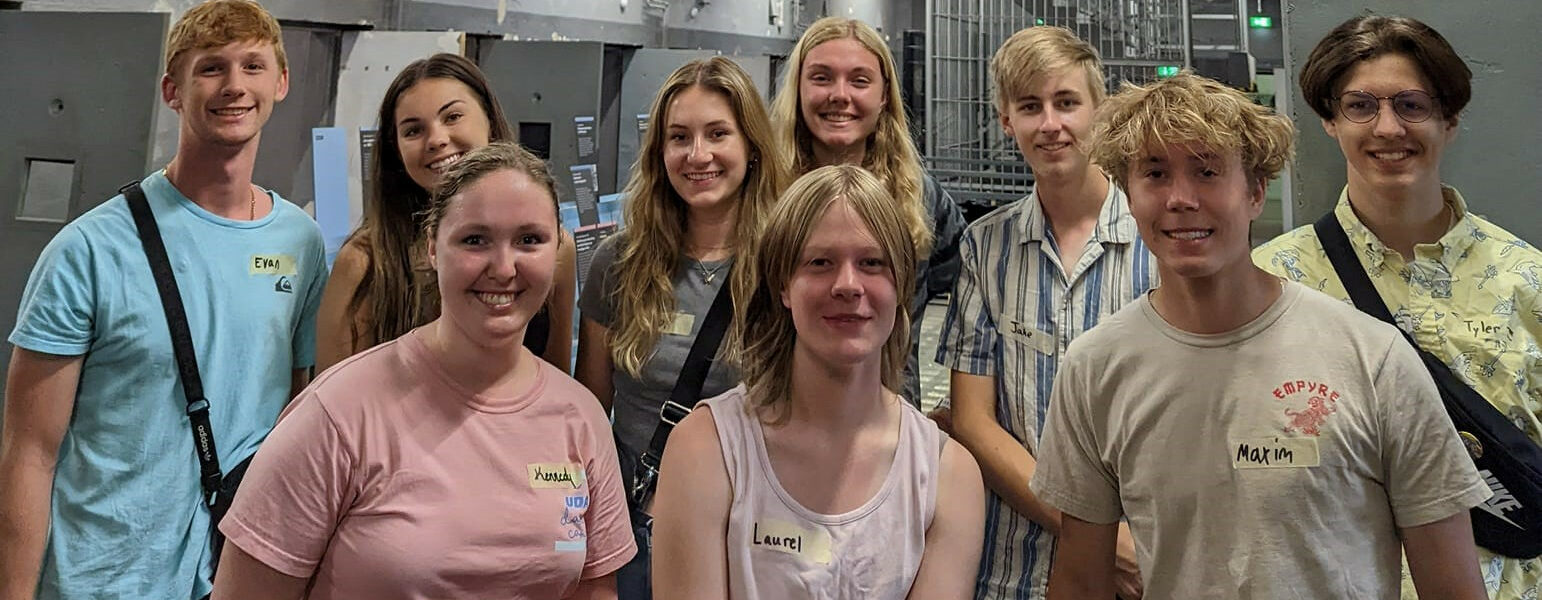
„… In summary, with the extra funds provided by the Checkpoint Charlie Foundation, we were able to plan and execute an excursion to Berlin for four teenage boys, five teenage girls and two chaperones with a blend of activities that resulted in an unforgettable and extremely successful trip. … to point out exemplary three of the historic and meaningful spots during our nine-day visit: In conjunction with a visit at the Berlin Senate Department for Education, “Lernort Keibelstraße” gave the kids an opportunity to interact and have a discussion about life in the current city of Berlin, as well as gaining insight into the ways of life during the Cold War. The tour of a modern type of prison, with the opportunity to immerse themselves in a “feel” of a prison, will not likely be forgotten. … The East Side Gallery gave the kids an opportunity to not only view the Berlin Wall, but they asked many questions about what life was like in both East and West Germany. … and the visit of the Reichstag gave a lecture about the workings within the current German Parliament which demonstrated the similarities as well as differences between the workings of the German democracy and the more familiar concept of the American democratic system. …”

Checkpoint Charlie Foundation project in cooperation with the “Berlin U.S. Military Veterans Association” (BUSMVA)

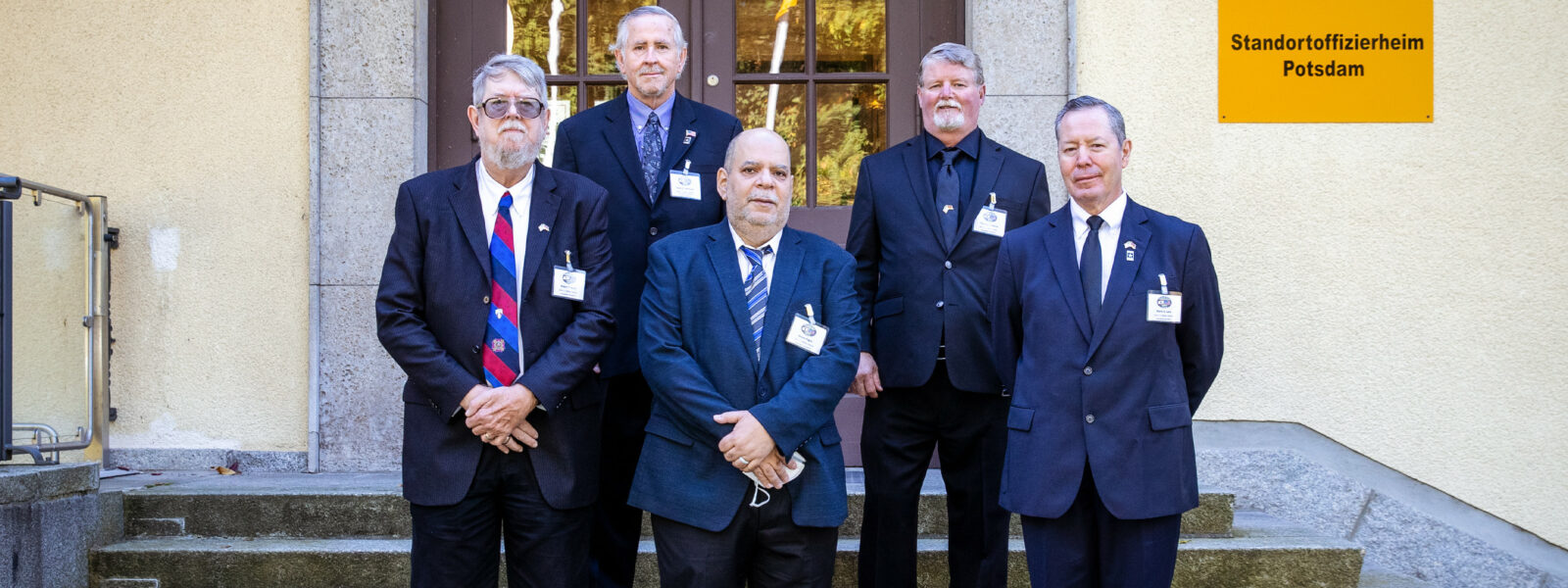
Despite Corona concerns and fears about the approaching war in Ukraine, five veterans made their way to Berlin to participate in the Welcome Home Program. First of all, we would like to thank our program partner, BUSMVA, for the excellent cooperation! But also to our local partners, the BUNDESWEHR and the STIFTUNG LUFTBRÜCKENDANK.

The former American military personnel who served in Berlin between 1972 and 1983 came back and experienced within one week how Berlin has changed. They visited their former duty stations and held discussions with students at Berlin schools. For the first time, the group was received by the police chief, Dr. Slowik. This program has been organized since 2008.

Berlin stay for Grossmont students

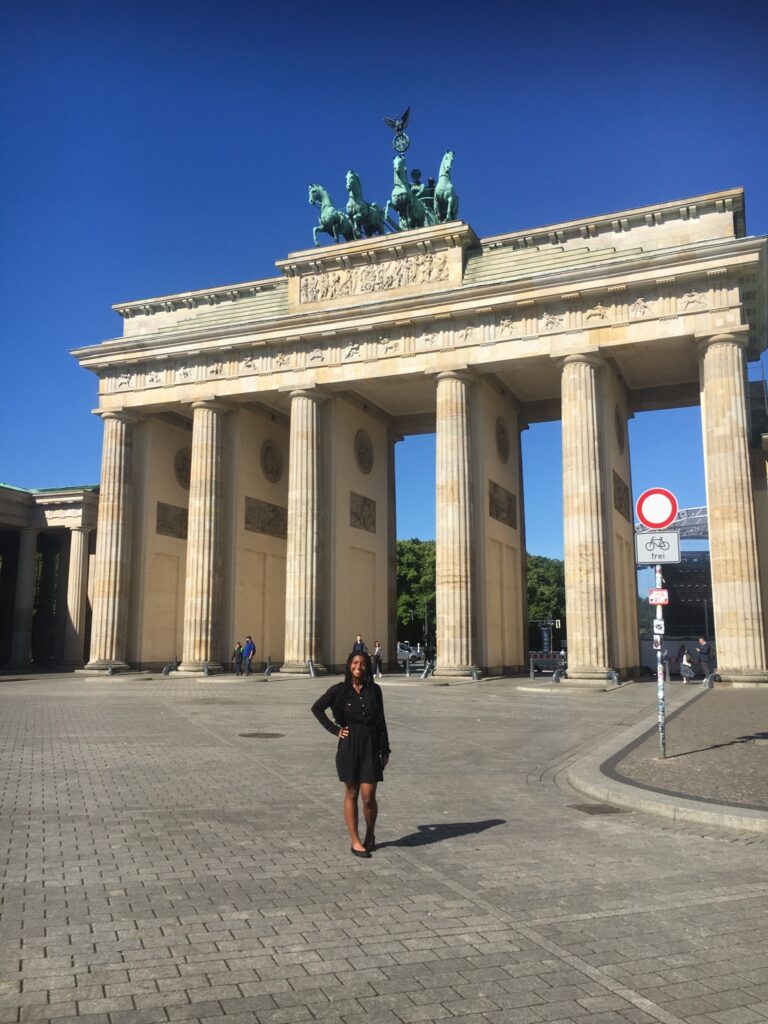
After two years, it was finally possible again for four Grossmont students* to receive the scholarship, which consists of 2 weeks of language school and 2 weeks of internship, with accommodation with a host family, during their summer semester break. The very well supervised internships were made possible by the “Stiftung Gedenkstätte Lindenstraße” in Potsdam, the “Stadtgeschichtliches Museum Spandau – Zitadelle”, “Cultural Vistas”, a non-profit exchange organization that promotes international understanding and global cooperation between people and institutions, and “Hanser Berlin”, the branch of “Hanser Literaturverlage” in the capital.

Grant application deadline

The next board meetings are at the end of August and the beginning of October 2026. Please submit your applications by August 14th at the latest for the August board meeting; the deadline for the October meeting is September 22nd.

n-e-t-w-o-r-k-i-n-g

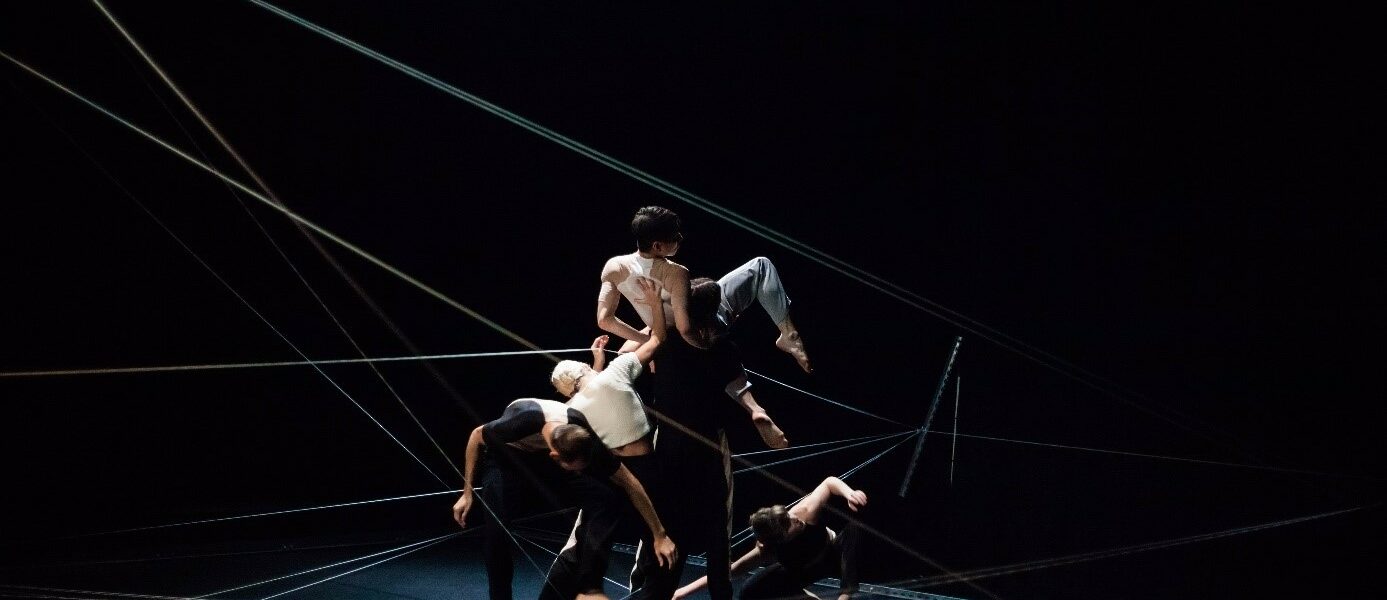
A human being, as a rule, lives and acts in various networks. They provide a safe environment that supports that human, and at the same time they motivate and inspire us to grow and evolve in any imaginable direction. In our modern, digital, and globally oriented lives, our networks increase. Regardless of space and time, cultural identities can be supported and trans-national relations can be fostered. However, the increase of trans-national relations also hold risks. Worldwide financial crises could only arise through global networks. Health crises like the corona pandemic have therefore been fed. During and after crises, another question arises: How can we use our networks in such emergency times for a better solidary? n-e-t-w-o-r-k-i-n-g represented people and their networks through a multi-disciplinary performance. In a mixture of contemporary dance, live-installation, and composition, performers show how to create and use networks and how they can help to overcome times of crises

animi motus is a contemporary dance company, formed in March 2018 and based in Berlin, whose work responds to cultural and educational policy issues. A fusion of several art forms, but grounded in performance, animi motus seeks out collaboration with international artists. Company’s moving language is based on a physical and abstract way within the Contemporary Dance, and includes influences of urban, classical, and other dance genres with strong theatrical pictures. The pieces have already been performed in Berlin, Leipzig, Cologne, Würzburg, Bonn, Munich, San Francisco, Marina, Mountain View and Brussels.

The production was financially supported by the Foundation as well as by the Goethe-Institut San Francisco, Fonds Darstellende Künste and the Senate of Berlin.
“n-e-t-w-o-r-k-i-n-g”, was a co-production with Uferstudios Für Zeitgenössischen Tanz, Berlin.

From Detroit to Berlin

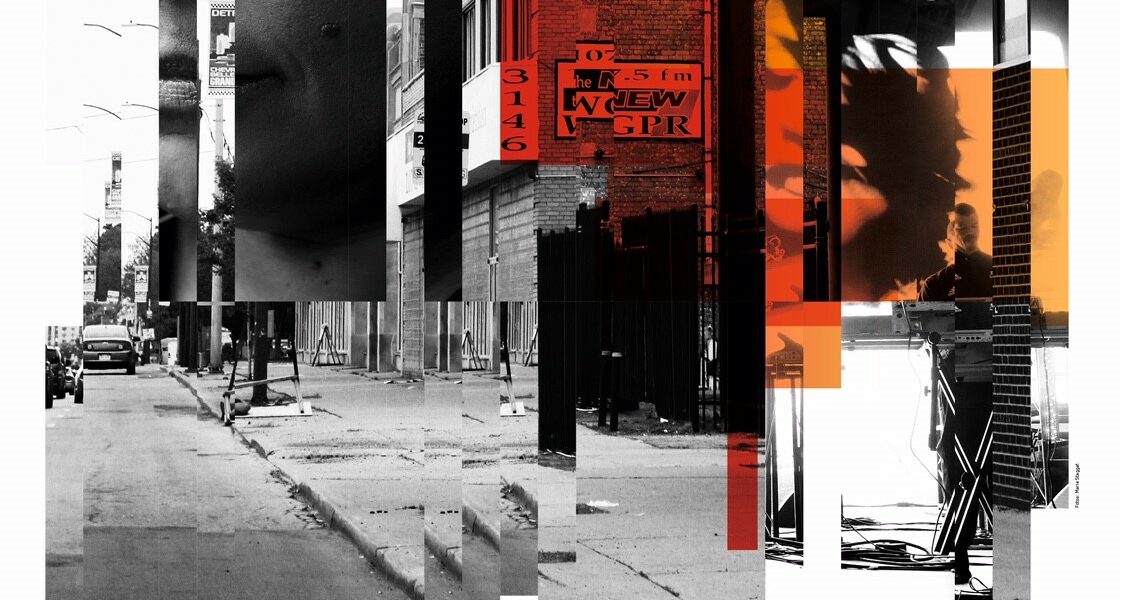
Techno is a new genre in music’s recent history. Originating from different music genres, techno developed in Detroit and Berlin, two urban places with two very different historical developments. At the time of techno’s emergence, both cities were undergoing drastic changes: in Detroit, big industry had left; and in Berlin, the city’s former divide was at the center of Germany’s reunification.

The exhibition “The Birth of Techno. From Detroit to Berlin” examines the developments of the techno movement in both cities. The focus is to show the relationships between the techno movements of the two cities.

By including actors from Detroit and Berlin, new perspectives on the mostly “white,” Eurocentric narratives about techno in this country are becoming possible as African-American influences on techno in Detorit are becoming visible. Here, it becomes apparent that Detroit techno draws its artistic and aesthetic references from Afrofuturism and other utopian narratives. Berlin’s techno history is strongly influenced by Detroit, not least through exchanges and performances by Detroit artists. At the same time, the Wende era, which was marked by deindustrialization and fragmented urban development, is important context for the development of Berlin techno.

HSAP Study Group – Studienreise Chicago

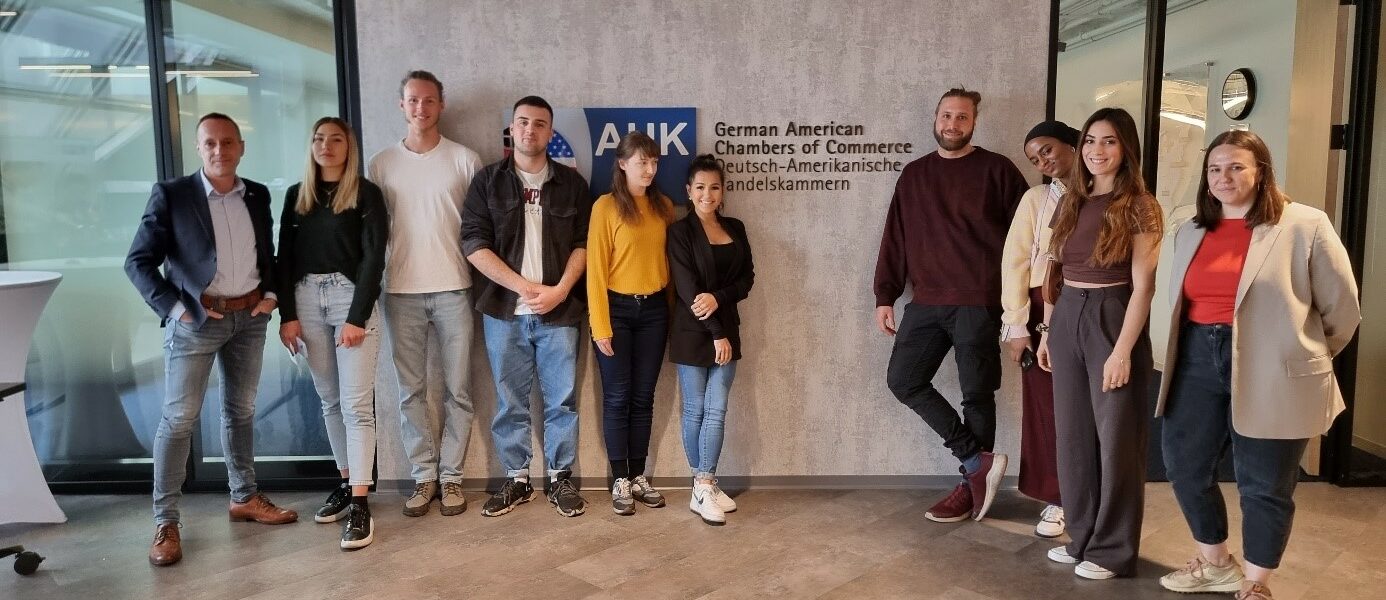
The study trip of the students of the University of Applied Pedagogy (HSAP) to Chicago on the topic of “Social Work with Children and Adolescents in the United States of America” had the goal to find out how social work is organized there and to compare this with the German form. Especially the topic “racism” should be considered there. In the run-up to the trip, some things had to be organized. This included not only booking the flights and accommodation, but also securing the financing of the trip as well as working out various program points on site. In order to be able to look at a broad picture of social work, we arranged appointments with very different institutions: the German Chamber of Commerce in Chicago, the Jane Addams Hull House Museum, Dominican University, the German International School Chicago and Whitney M. Young Magnet High School.

As the staff of the Chamber of Commerce told us: “It is difficult to draw a real comparison between two systems with such different principles! It is almost impossible not to make one system look better than the other and not to evaluate it, especially if you grew up in one of the two systems and can never understand the other to the same extent. With the study trip we got exciting insights into this other system and were invited to reflect on ours. The trip was a personal enrichment, but especially for our professional understanding.

Source: From the project report
Klammern aus denen Blätter sprießen

Hunter Shaw Fine Art presented the second iteration of Klammern aus denen Blätter Spriessen, an exhibition with works by Colleen Hargaden, Filip Kostic, Yein Lee, Andrew Rutherdale and Jonas Schoeneberg. The exhibition was a collaboration between HSFA and Berlin-based independent space Scherben, who hosted the first iteration in April 2022.

Klammern aus denen Blätter sprießen assembled a group of artists who have independently sought to investigate different strains and subcultures of escapism, found in DIY maker movements, mysticism, gaming culture, biotechnology, virtual reality and the extension of bodily formations through social and scientific techniques. Showing in this ensemble for the first time, Colleen Hargaden, Filip Kostic, Yein Lee, Andrew Rutherdale and Jonas Schoeneberg ventured out of their studios in Berlin, Los Angeles, Montreal and Vienna to open up their practices to mutual encounters, allowing their perspectives and interests to intersect, converge and enter into conversation with one another. Together they offered conceptual variables to understand situations excluded from normative notions of the real. Like the seemingly irreal scenario of “brackets, from which leaves sprout” (Klammern aus denen Blätter sprießen), alternate patterns and cognitive abilities emerged from which to think anew the escape button commonly associated with configurations of virtual reality. If one of these pathways was projected in spacetime, it would read: “Once you’ve made a gateway of brackets, slipping into the embrace between them, you unlock the control console and peer into its memory slot. There. Expect a beautiful but unreal setting.”

B-LA CONNECT

B-LA CONNECT is an initiative to promote the cooperation and connection between the two sister cities’ creative communities.

In June 2019, 20 art spaces from Los Angeles exhibited in 22 art spaces from Berlin. The interdisciplinary program included art exhibitions, film screenings, performances, talks, and more. This July, 2022, the Berlin art spaces travel to LA for a return visit with staggered openings throughout the city in 22 different art spaces, including a film night at the Goethe-Institut LA, and a performance evening on the rooftop of The Bendix Building.

B-LA CONNECT sees itself as an international cultural exchange at a grass roots level. It brings together members of different art spheres and scenes from both cities. New opportunities for interacting and connecting with each other are created and extended locally and transnationally. Promoting positive globality, B–LA CONNECT seeks to advance the cultural partnership between Berlin and Los Angeles.

B-LA CONNECT wants to celebrate urban diversity and stand against reactionary forces. Berlin and Los Angeles share the urban self-image of being a place of cultural diversity and individual freedom. In light of the rising authoritarian and regressive currents worldwide the two cities stand for a liberal and cosmopolitan openness towards the world. The goal of B-LA CONNECT is to build bridges where others erect walls.

WE.B. Du Bois Memorial Marker at Humboldt-Universität zu Berlin

The Checkpoint Charlie Foundation is very happy to have supported this project, exactly where W.E.B. Du Bois studied for three semesters at the university named after Friedrich-Wilhelm at that time. This comes almost two years after a “Berlin Memorial Plaque” for the civil rights activist was unveiled at 130 Oranienstrasse, his former place of residence.

“William Edward Burghardt Du Bois, one of the leading figures in twentieth-century sociology, history, journalism, literature and civil rights activism, studied at what is now Humboldt-Universität zu Berlin in the years 1892-1894. His stay in Berlin and his studies with German economists, sociologists, and historians proved very influential in his thinking. Du Bois became the author of such seminal works as The Souls of Black Folk (1903), was the editor of The Crisis (1920-1934), and the co-founder of both the National Association for the Advancement of Colored People (NAACP, 1909) as well as the Fifth Pan-African Congress (1945). In 1958, Humboldt-Universität awarded him an honorary doctorate.

For over twenty years, the American Studies Program has honored Du Bois’s legacy at Humboldt-Universität through two lecture series: the W. E. B. Du Bois Lectures and the Distinguished W. E. B. Du Bois Lectures. Until now, there has been no visible tribute to him on the university grounds. We are proud to announce that a plaque had been installed on the main building’s ground floor (next to the entrance to the Orbis Humboldtianus). Du Bois is the first U.S.-American and the first person of color to be honored by Humboldt-Universität; he is also the first person to be honored as a former student.”

Source:https://www.angl.hu-berlin.de/department/duboismemorial

Photo: (c) Philipp Plum, HU Berlin.