

THE PURPLE VIDEO
We are very pleased to announce that the experimental short film “The Purple Video”, funded by the Foundation, was rebroadcasted and streamed in 2022: It aired on “BronxNet Community Television” as part of “Women History Month 2022” and was additionally streamed worldwide on “BronxNet” on the same day. Both “Bronx TV” and “Bronx NET” are supported by the “New York City Department of Cultural Affairs”.
2020/2021, the short film by Berlin-based film artist Halina Kliem debuted at the “Florida Film Festival”, and was shown at the “Brooklyn Film Festival”, the “London Short Film Festival” and the “San Francisco International Festival of Short Film”.
Berlin stay for Grossmont student
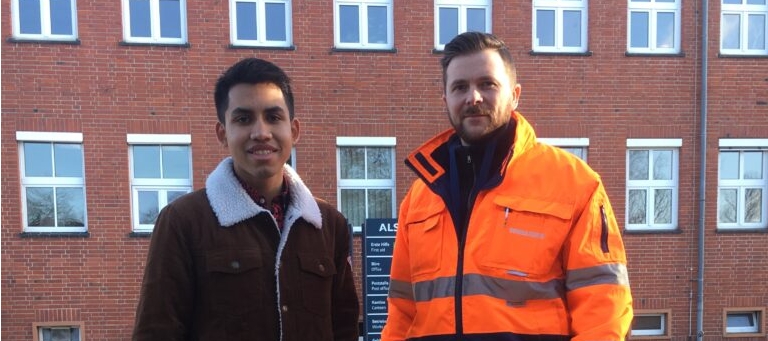
After 2020 and in summer 2021 the annual Grossmont project had to be cancelled because of Corona but it went ahead once again in winter 2021/2022 with student Joseph Morales being awarded the scholarship, which consisted of 2 weeks of language school and 2 weeks of practical course as well as accommodation with a host family. ALSTOM in Berlin/Hennigsdorf, for its part, provided him with an excellently supervised internship, gaining insights into production, planning and development. Above all, Joseph was able to experience the importance of his field of study (mechanical engineering) in practice through the development of trains for Stockholm.
Photo: Joseph Morales with his ALSTOM supervisor Marcel Kippel
Literary Translation – “Seismography of Questioning”.
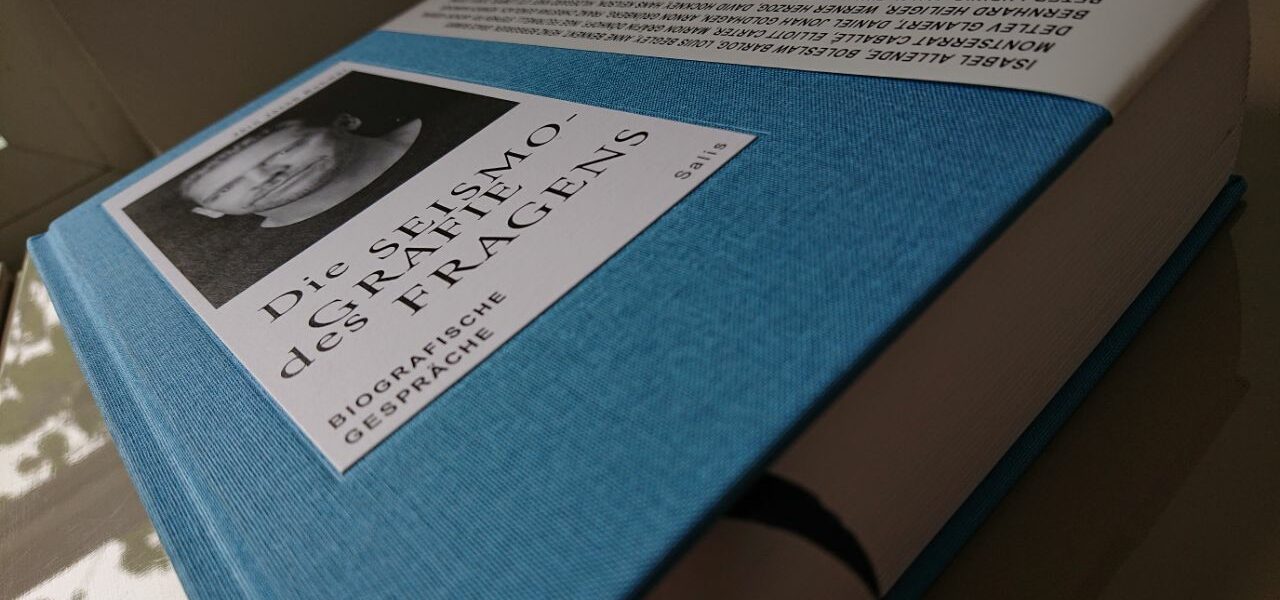
From Berlin to the world – this is the core idea of this project: The author, a citizen of Berlin for 35 years, used this concept to form the basis of his questioning. His activity has been promoted here as well as in the USA so it can be made accessible to an international, i.e. American, audience through a translation of “Seismography” outside of the German-speaking world.
Some of Jörn Jacob Rohwer’s most notable conversations here are those with centenarian composer Elliott Carter, publicist Susan Sontag, neurologist Oliver Sacks, multimedia artist Yoko Ono, director Robert Wilson, soprano Grace Bumbry, writer Edmund White, and playwright Arthur Miller.
2nd to 10th of October 2021 – Welcome Home Program
Foundation project in cooperation with the Berlin U.S. Military Veterans Association (BUSMVA)
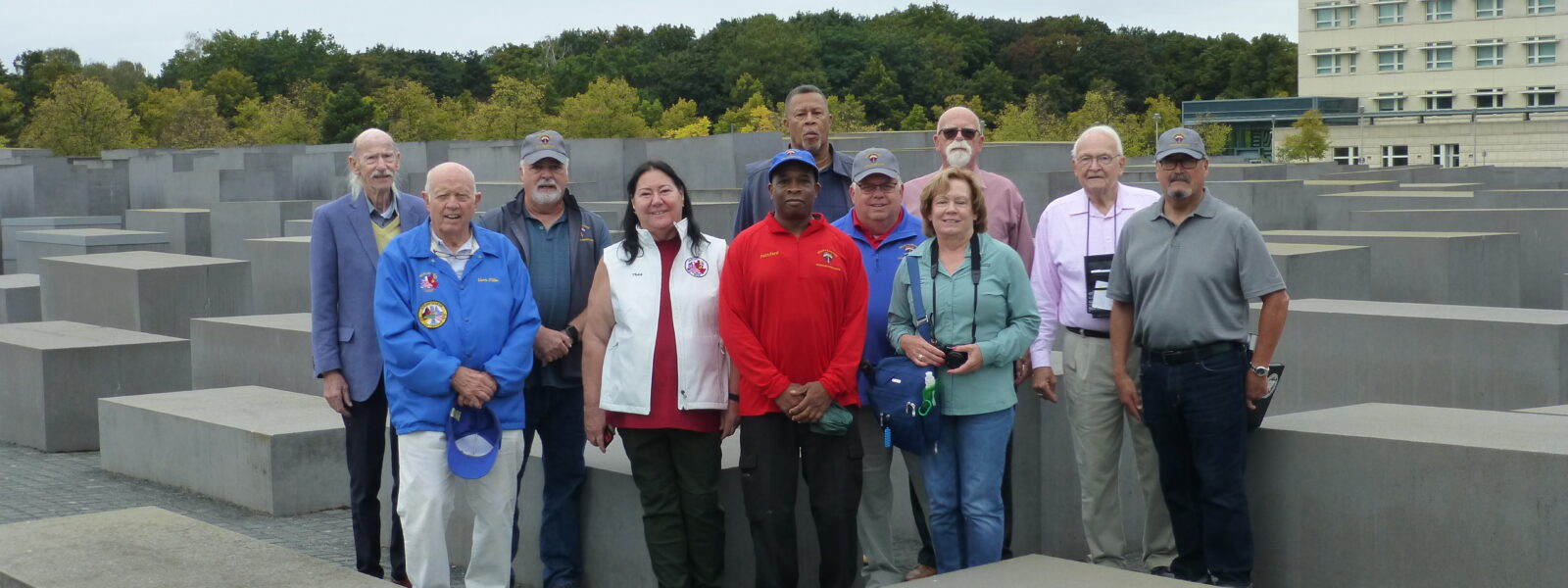
After last year’s program unfortunately had to be cancelled due to the pandemic, this year it was a special honor and pleasure for us to have welcomed such wonderful people back in Berlin. First and foremost, special thanks to our program partner BUSMVA for the excellent cooperation!
12 former American military personnel who served in Berlin between 1945 and 1994 returned to experience how Berlin has changed for a week. They visited their former places of work and held discussions with students at Berlin schools. This program has been organized since 2008.
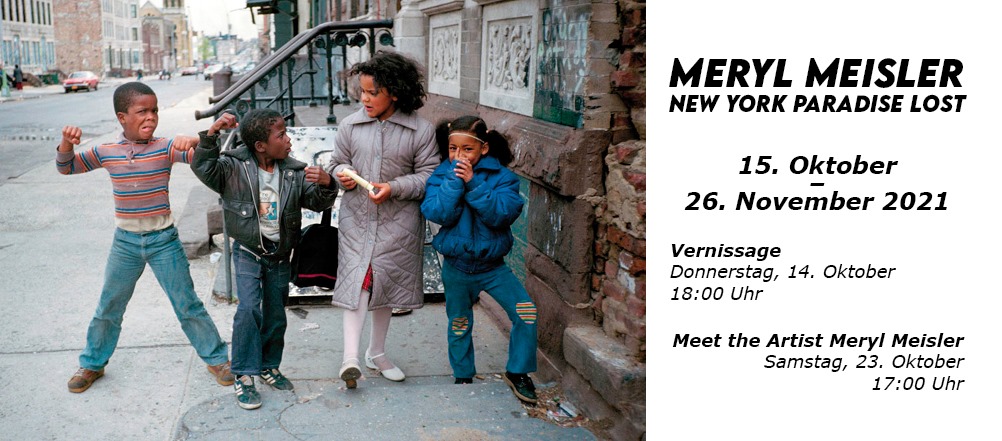
Fotogalerie Friedrichshain – Meryl Meisler
MERYL MEISLER I NEW YORK PARADISE LOST was the title of the exhibition at Fotogalerie Friedrichshain, which fortunately could take place from October 15 – November 26, 2021, despite Corona. FOTOGALERIE Friedrichshain presented the first European solo exhibition by Meryl Meisler. The New York-based photographer and longtime art teacher in Bushwick, Brooklyn traveled to Berlin for the first time on the occasion of her 70th birthday, thanks to support from the Checkpoint Charlie Foundation. Her work from the 1970s and 1980s draws a sharp contrast between the difficult social conditions on the streets of Brooklyn and the glamorous, excessive nightlife of the disco era. The image material were selected from the artist’s three photo books “A Tale of Two Cities: Disco Era Bushwick”, “Purgatory & Paradise: SASSY ’70s Suburbia & The City” and “New York PARADISE LOST: Bushwick Era Disco”. The supporting program included a three-day workshop for young people from the Kurt Schwitters School, followed by a presentation in the photo gallery, and a public panel discussion with Berlin art teachers and cultural professionals.
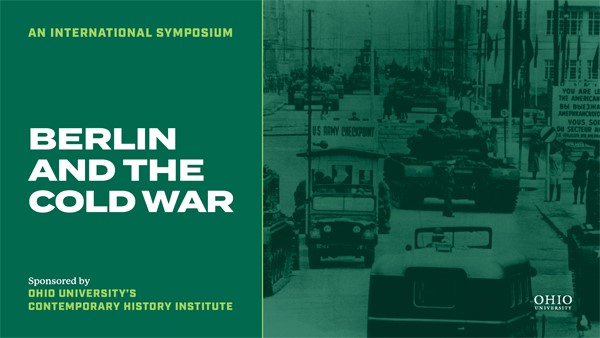
Berlin Symposium in Ohio
The Symposium: “Berlin and the Cold War,” initiated by the Ohio University Contemporary History Institute and supported by the Checkpoint Charlie Foundation, took place as a virtual international symposium on October 1 and 2, 2021. The symposium was organized by Drs. Seth Givens and Ingo Trauschweizer, who brought together some of the leading diplomatic, military, and political historians of the Cold War.
The program for review:
International symposium will probe Berlin and Cold War, impact on history and import for the future (ohio.edu)
Global Youth Ambassadors Program 2021
In 2021, for the second time, the Checkpoint Charlie Foundation sponsored the Global Youth Ambassador Program (GYAP), which is aimed specifically at high school students from disadvantaged backgrounds. Twenty-five high school students participated in the month-long summer program, called “Atlanta – Germany: Peer Exchange Program”. Ongoing international travel restrictions due to the COVID-19 pandemic had forced GYAP to implement the program online and virtually. Part of the program consisted of daily German lessons from a language school in Berlin. In addition to this teaching of basic German language skills in digital language classes, however, the program was equally concerned with improving cultural understanding of Germany so that American students could see the similarities and differences between American and German cultures. For this purpose, the Foundation was able to attract three special and very different speakers, each of them gave insight into the German reality from their own perspective and experience, and were available to answer the students’ questions afterwards, before they then discussed the topic among themselves.
Our Board of Trustees Chairwoman Sawsan Chebli spoke on the topic:
Civic Engagement as an Integral Part of an Integration That Works.
The Artist, activist, and founder of “Politaoke” as well as “Artists Without a Cause” Diane Acre spoke on the topic:
German’s attempted erasure of the word race & the US’s fear-mongering of critical race theory: Fighting for equity when language is weaponized.
Marc Holland-Cunz and Niloufar Shabanpour, from the project “withwingsandroots, which is also supported by the Checkpoint Charlie Foundation, spoke on the topic:
Transatlantic comparisons of racial injustice in Germany, South Africa, and the United States.
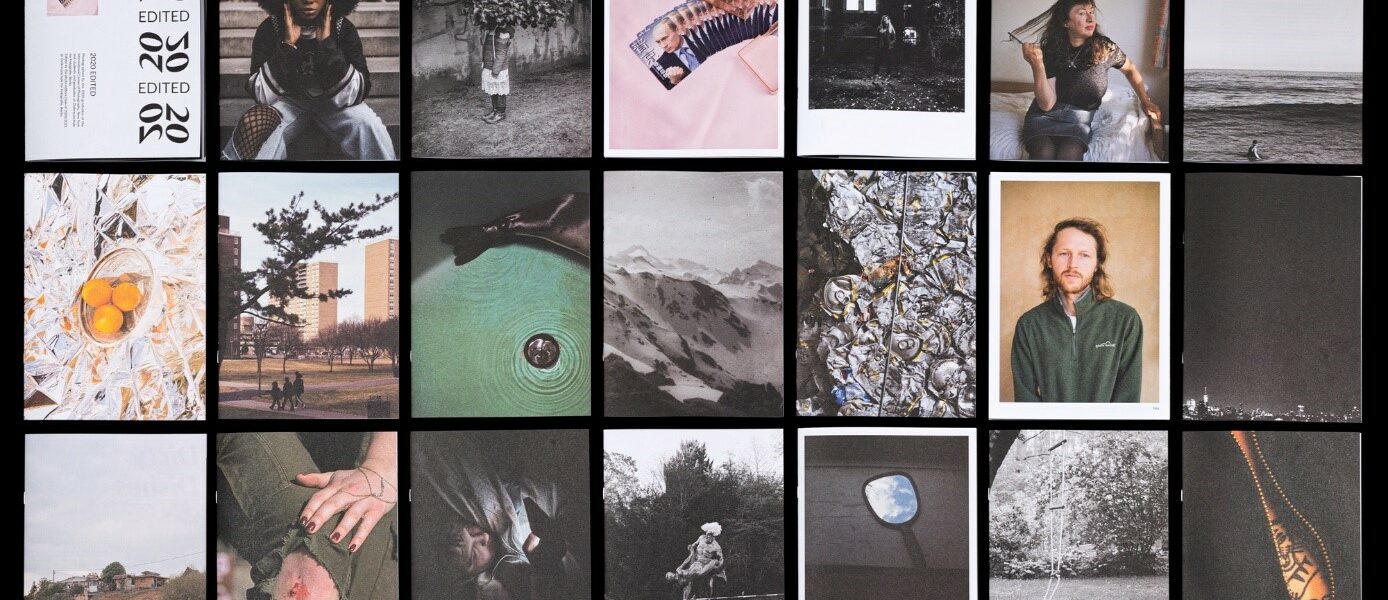
2020 Edited
“2020 Edited“ is a collaborative photo project of Berlin’s Ostkreuzschule für Fotografie (OKS) and the International Center of Photography (ICP), based in New York City. The printing costs of the outstanding work were partly funded by the Checkpoint Charlie Foundation. Ten photographers of each institution created individual stories of 2020 that reflect their very own experiences and impressions in different parts of the world. It is the tenth year of the institutions’ collaboration under the title “New York Edited”, initiated by Nadja Masri. Due to the special circumstances amid the pandemic, this year’s project is different in that the photographers captured moments during their time at home and away from their schools. For the first time photographers from both schools are represented; The selection and editing process was handled by editors of OKS in Berlin. We would like to encourage everyone to take a look at the photos and the video uploaded to the project’s website 2020edited.com. For more on Berlin’s Ostkreuzschule für Fotografie visit their facebook page:
https://de-de.facebook.com/Ostkreuzschule.
Grant application deadline III/2023
The next board meeting will be held in September 2023. We will gladly accept your applications until August 23.
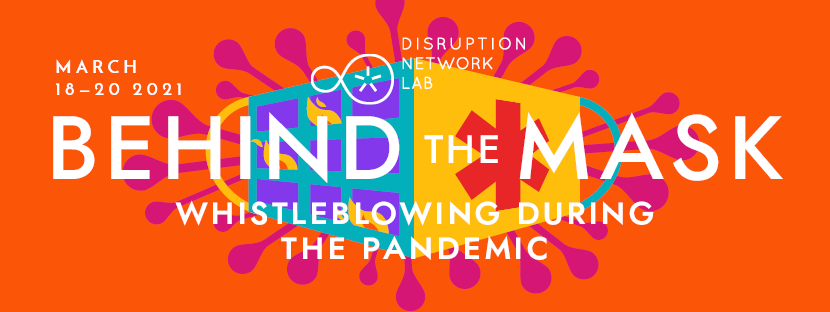
Behind the Mask – Whistleblowing during the Pandemic
The Disruption Network Lab (DNL) is a non-profit organization based in Berlin. It was founded in 2014. The organization’s primary objective is to promote freedom of speech and exposing systemic wrongs in our society through a participatory and interdisciplinary approach. The “Tactics of Empowerment” event series was launched in 2020 and runs through 2023.
“Behind the Mask. Whistleblowing during the Pandemic” – March 18 – 20 2021
WHISTLEBLOWING & COVID-19: Telling the Truth at the Center of Crisis
This keynote event was moderated by Delphine Halgand (Director of the Signals Network, an organization connecting whistleblowers and international media; thus, working to make information accessible and to support whistleblowers in their individual situation) and featured Eileen Chubb and Erika Cheung. Eileen Chubb spoke out on the abuse of elderly in care homes back in 1999 and continues to support whistleblowers in the healthcare sector in the UK. She is the founder of the organization “Compassion in Care”. Erika Cheung was a whistleblower in the scandal around the blood diagnostics company “Theranos”. She revealed the astonishing lack of accuracy of the company’s newly development blood diagnostics devices after quality control samples had brought different results each time they were run through a test. Cheung is now the director of “Ethics in Entrepreneurship”, a non-profit organization advocating a new ethical approach for stakeholders and focusing on start-ups.
Delphine Halgand introduced the two participants and the topic to the audience. She started off by defining what ‘whistleblowing’ actually meant, referring to the definition of the Council of Europe. Two aspects of this definition were emphasized: Whistleblowing has to be considered a selfless act and surfaces information that is beneficial to the public in general. In the context of Covid-19, Halgand pointed out the lack of transparency in many regards and on many levels, as well as the lack of whistleblower protection. Then, Chubb and Cheung were given the opportunity to introduce themselves, their individual history of becoming a whistleblower and their current projects and objectives.
One of the main concerns for Eileen Chubb, both in the past and in her present work, is the lack of follow-up investigation of concerns and issues voiced by healthcare workers. The Covid crisis clearly surfaced the problems in public health in the UK and elsewhere. Systemic wrongs are now being more visible to the public, she argued. Chubb stressed the importance of legislation that better protects whistleblower and creates a framework for when a case has to be taken to court. Whistleblowers do not intend to take matters to court, their primary goal is to see improvements or an end of the wrongs they were forced to make public, Chubb further pointed out. Similar to Chubb, Erika Cheung experienced that internally addressing her observations did not suffice. The issues she addressed were evidence-based and yet dismissed. Rather than investigating the issue at hand, the company threatened to sue her. She concluded that the Theranos failure was an ethical collapse and not primarily a technological or economical one.
Following up on the individual presentations, moderator Delphine Halgand led an open discussion on whistleblowing in these times. The panel was concluded by questions the audience had been able to submit via chat on the Disruption Network Lab website. Erika Cheung highlighted the need to make whistleblowing more commonplace and to create structures and channels for whistleblowers. The goal of her organization’s work with start-ups is to create an environment of transparency and safety within an enterprise, thus enabling people to speak up and address issues internally. With the situation as it is right now, Eileen Chubb viewed the media as an important piece, as her organization is working with trusted journalists. Chubb emphasized the interconnectedness of whistleblowing and the freedom of press in this context.
Both Chubb and Cheung agreed on the role of society when it comes to whistleblowing (a discussion question of moderator Delphine Halgand): More education on what whistleblowing actually is and does is crucial for the future.
DIGGING DEEPER INTO HEALTHCARE: The Vaccine Rollout, Pandemic Journalism & Corruption
Moderated by Jonathan Cushing, head of the Transparency International Health Programme (UK), this panel featured independent global health expert Sarah Steingrüber, investigative journalist Serena Tinari and film maker Alexander Nanau.
Sarah Steingrüber provided the audience with key information on the vulnerability of health systems and global medical supply chains in respect to a lack of transparency and the problem of individual enrichment at the expense of public health. No sector is spared from corruption of some sort, she emphasized. This included the areas of financing, governance, workforce and information. The pandemic increases the system’s vulnerability further, since a decrease of restraints opened the door to exploitation, fraud etc. In relation to Covid vaccines and the vaccine rollout, Steingrüber highlighted that, while the level of transparency in research and distribution is quite high, details on pricing and contracting remain under disclosure. The looming issue of vaccine inequity could be solved by creating a Medicines Patent Pool that would enable other fabricants to produce the vaccine – while not endangering economic success of the developers. Steingrüber strongly favored this concept and stressed that this is “a political choice”, bringing up the example of the polio vaccine that has never been patented.
Serena Tinari brought attention to the importance of evidence-based research on Covid-19 and explained what constitutes evidence-based research. This included the subcategories of “best evidence” (e.g. Randomized Controlled Trials (RCT)) and “less solid evidence” (e.g. case studies). Tinari stressed that expert opinion in and of itself does not constitute reliable evidence. It is also crucial to differentiate between the expertise of virologists compared to infectious disease epidemiologists – to only name two professions. The latter are more specialized and thus can offer a more profound take on the pandemic crisis we are facing: “Not all experts are experts in public health and in this context”, she added. The investigative journalist criticized the lack of funding for research conducting necessary studies. For instance, she mentioned the lack of RCT on the effects the wearing of masks has in preventing the spread of the virus. The responsibility of the media, according to Tinari, is to ask tough questions instead of simply reiterating press releases.
Alexander Nanau is the director of the critically acclaimed documentary “Collective” that followed Romanian investigative journalists in their uncovering of a political public health scandal following a fire at a Bucharest night club. A Romanian doctor had revealed that with the right care and procedures the hospitalized victims of the fire should have been able to recover well. This scandal and the investigations helped reveal corruption and collusion in Romanian politics and public health. Nanau criticized the lack of transparency that was still an issue during this pandemic, in Romania and elsewhere. He emphasized the need for journalists who develop background knowledge on health care and public health.
In the following discussion Jonathan Cushing asked the participants if there could ever be too much transparency. The panel participants stressed the importance of transparency and rejected the idea that holding back information could ever serve the public. It was also agreed upon that the current crisis could present a chance for improvement of the health care systems. Sarah Steingrüber pointed out that the crisis had most likely raised awareness to the importance of public health, since the present situation revealed how intertwined public health and the economy are. The objective should be to continue fighting corruption and to increase funding in order to do so successfully. Serena Tinari called for more in-depth analysis of health care issues, as we should not see the Covid crisis as an isolated issue. Alexander Nanau saw a chance for the public to learn more about the healthcare system, which could force changes.

https://www.disruptionlab.org/